The Christmas Elf Chef Graphics: A Designer's Practical Review
First Impressions and Visual Mood
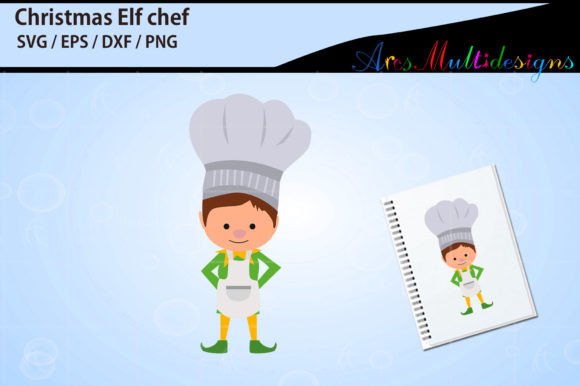
When you open the Christmas Elf Chef illustration, the immediate feeling is one of playful, handcrafted charm. This isn't a generic, corporate holiday graphic. It carries a warmth and whimsy that feels inherently bespoke. The style leans toward a detailed, illustrative aesthetic, reminiscent of storybook art or vintage holiday cards. It naturally fits clients whose brands are built on personality, craft, and storytelling. I instantly envision it for a small bakery’s seasonal campaign, a handmade candle company’s product labels, or a local family-run restaurant’s festive social media graphics. The mood is inviting, nostalgic, and slightly magical—perfect for projects that need to feel personal rather than mass-produced.
Where This Illustration Excels in Real Client Projects
This graphic design asset shines in applications where detail and character are assets. For a brand identity system for a specialty food business, the Elf Chef could become a central, recognizable mascot. In packaging design for holiday-themed products—like cookie boxes, hot chocolate mixes, or gourmet gift sets—it adds a layer of thematic decoration that feels authentic. It works beautifully as a large-scale hero graphic on a seasonal website banner or as the focal point of a holiday poster or flyer for a local event.
Specific Applications with Strong Results
- Product Labels & Packaging Details: The illustration’s intricate details hold up well on labels for jars, bags, or boxes, provided the print area is sufficient.
- Themed Social Media Graphics: For Instagram posts or Pinterest pins promoting a seasonal product launch, it creates immediate visual cohesion and emotional appeal.
- Printable Designs & Merchandise: As a digital file intended for you to print at home or upload to a photo lab, it’s ideal for creating custom wall art, festive invitations, or even stitching patterns for crafters.
- Decorative Accents in Campaign Visuals: Within a broader holiday marketing campaign, it can serve as a consistent decorative element across emails, blog visuals, and digital ads.
- Etsy Shop & Print-on-Demand Products: For sellers on creative marketplaces, this asset is perfect for sublimation design on mugs, as a detailed centerpiece for t-shirt design, or for intricate Cricut projects like custom stickers and tote bags.
Considerations for Layout and Usage
While versatile, the Christmas Elf Chef requires thoughtful placement. Its detailed nature means it struggles in very small sizes, such as tiny favicon logos or crowded footer graphics. The fine lines and shading can become muddy or lost. On complex, busy backgrounds, the asset can lose its impact and clutter the visual hierarchy. It is also a stylistic mismatch for minimalist branding or highly professional, corporate materials where a cleaner, more abstract symbol might be preferred.
Where to Exercise Design Caution
- Small-Scale Applications: Avoid using it as a minor icon where detail is sacrificed.
- Low-Contrast Environments: Placing it on similarly toned backgrounds diminishes readability and recognition.
- Crowded Compositions: In layouts with many competing elements, its charm can get buried, weakening the overall design’s focus.
Impact on Brand Perception and Professionalism
Using a well-executed illustration like this can significantly elevate a project’s perceived professionalism, but only if it aligns with the brand’s voice. It builds visual trust by showing care and specificity—a generic clipart wouldn’t achieve the same effect. For a handmade business or a boutique product line, it enhances brand consistency by providing a unique, reusable asset. The emotional appeal is high, fostering audience engagement through a sense of familiarity and joy. However, the overall impression depends on integration: pairing it with a mismatched, default system font could undo its polish. It works harmoniously with display fonts, classic serifs for a traditional feel, or clean sans-serifs for a more modern, illustrative blend.
The Designer's Checklist Before Client Use
Before committing this asset to a real client project, a professional review is essential. Always confirm the commercial license terms. Then, put the digital file through practical tests.
Essential Practical Tests
- Scale Test: Preview it at both large (poster-size) and very small (icon-size) to see how the details hold up.
- Contrast Check: Place it on pure white, black, and a mid-toned background to ensure key elements remain clear and readable.
- Color Flexibility: Test it in black and white or grayscale to understand its form if color printing isn’t an option or for applications like newspaper ads.
- File Format & Quality: Review the provided file formats. If an SVG or vector file is included, inspect its editability for potential color adjustments or simple modifications. If it’s a PNG, check the transparency edges on different backgrounds. For printable designs, run a test print at home or create a digital product mockup to spot any potential rasterization issues.
- Real-World Mockup: Place it onto a realistic context—a product label mockup, a website header, a social media template. This is the best way to judge its final impact and suitability for the project’s goals.
Final Judgment: A Polished Asset for Thematic Projects
The Christmas Elf Chef illustration is more than just holiday clipart. It’s a specialized graphic design asset that brings a specific, warm character to a project. For designers working with clients in the food, craft, retail, or local event sectors during the holiday season, it provides a ready-made element of polished charm. It saves time searching for a fitting visual and offers a cohesive starting point for a whole suite of marketing visuals, from packaging design to social media graphics. The key to its success is respecting its strengths—its detailed, illustrative nature—and applying it with the same considered design judgment you would any core brand element. When matched with the right client, project, and careful implementation, it can help a seasonal campaign feel thoroughly professional, uniquely engaging, and delightfully complete.